
News
Euronews: UK police return ancient artefacts to Islamic Civilization Center after trafficking probe
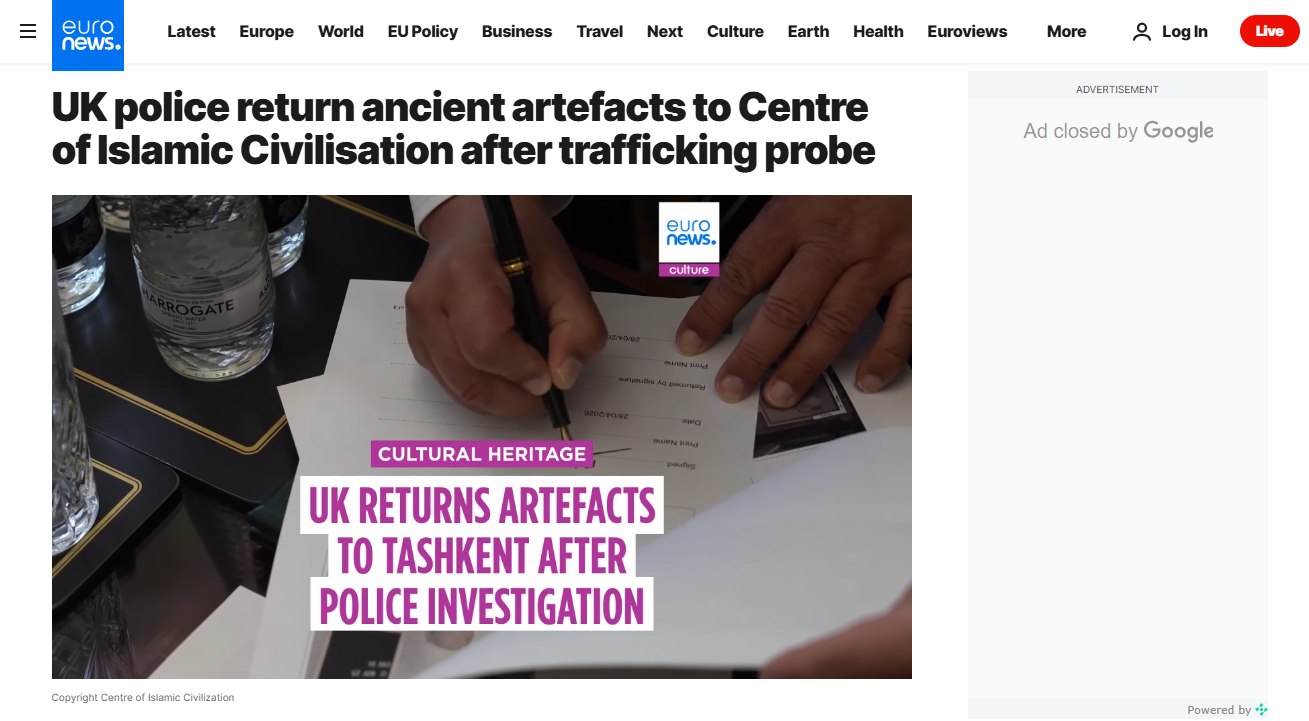 The report covered by the leading global broadcaster Euronews states that ancient artifacts seized from illegal trafficking by UK police have been returned to Uzbekistan. It is noted that the rare finds, dating from the 2nd to the 8th centuries, were identified through international cooperation and the involvement of law enforcement agencies, and will now be preserved and studied at the Islamic Civilization Center in Uzbekistan. This process is regarded as an important example of global efforts to protect cultural heritage and return it to its historical homeland.
The artefacts will be housed at the Islamic Civilization Center as part of ongoing efforts to trace and recover cultural objects through cooperation with museums and the art market. The handover took place during an international cultural event marking the anniversary programme of Amir Temur.
Nine artefacts dating from the second to the seventh century are being returned to Uzbekistan, after being recovered by the Metropolitan Police in London.
The items had been illegally exported and were seized in November 2025, during an investigation codenamed "Operation Inherent Vice".
Before their transfer, the objects were presented at the Uzbekistan embassy in London. They include sculpted heads made of gypsum and terracotta dating back to the 2nd to 5th centuries, associated with the Kushan period and ancient Termez, including Buddhist art centres such as Karatepa, Fayoztepa, and Dalverzintepa.
Fragments of wall paintings from the 7th to 8th centuries are also among the findings, some believed to be linked to Sogdian artistic traditions or earlier monumental schools in southern Uzbekistan.
The investigation involved cooperation between police authorities and scholars from across Europe. According to the Metropolitan Police, the recovery formed part of efforts to address the illicit trafficking of cultural property, an issue that continues to involve cross-border coordination between law enforcement and academic institutions.
Sali Shahsivari, Managing Director of the Al-Furqan Islamic Heritage Foundation in London, said the return of the artefacts carries broader significance beyond the objects themselves.
“This has to do with historical memory and may serve as a message for more artefacts to return to their country of origin,” he explained.
Related
Inside the Islamic Civilization Center: A new hub for heritage and research
Uzbekistan’s Islamic Civilization Center: Reframing Central Asia’s place in global history
A gift to the world
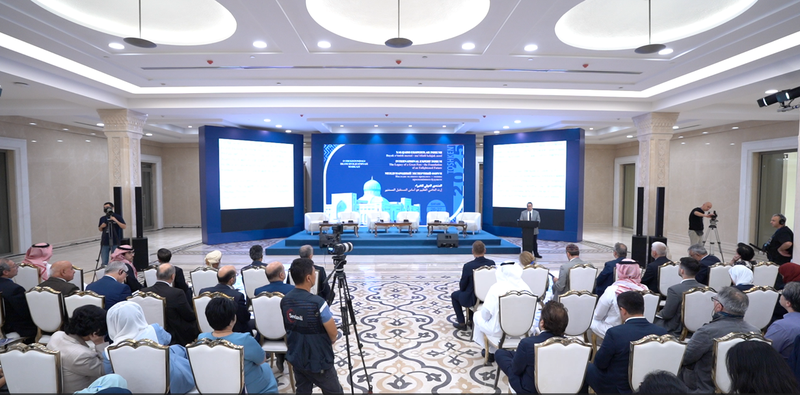
The handover took place during an international cultural event in London, linked to the anniversary programme marking 690 years since the birth of Amir Temur. The gathering united researchers, cultural institutions and officials with discussions focusing on international cooperation to prevent illicit trafficking and strengthen legal frameworks for the protection of cultural heritage.
 Cultural event in London, linked to the anniversary programme marking 690 years since the birth of Amir Temur
Detective Sophie Hayes of the Metropolitan Police told the audience that the finds were a gift not just to Uzbekistan but to the world. She said that detective work has been assisted by domestic and international scholars, and by the Organisation for Security and Co-operation in Europe (OSCE) with support of WOSCU, the World Society for the Study, Preservation and Popularization of the Cultural Legacy of Uzbekistan.
“We began working to identify their origins and contacted the Uzbekistan Embassy to understand their cultural significance,” said Detective Superintendent Kerry Wood, head of economic crime at the Metropolitan Police.
The Art Loss Register, which specialises in tracking stolen and illegally exported cultural property, also played a role in the recovery. Representatives said the process began after an art dealer raised concerns about the provenance of one of the items, a Timurid-era cenotaph.
“In cases where provenance is unclear, responsible actors in the market sometimes come forward,” said James Ratcliffe, General Counsel and Director of Recoveries at the organisation. “In this instance, the dealer wanted the object to be returned to its country of origin, and we assisted in facilitating that.”
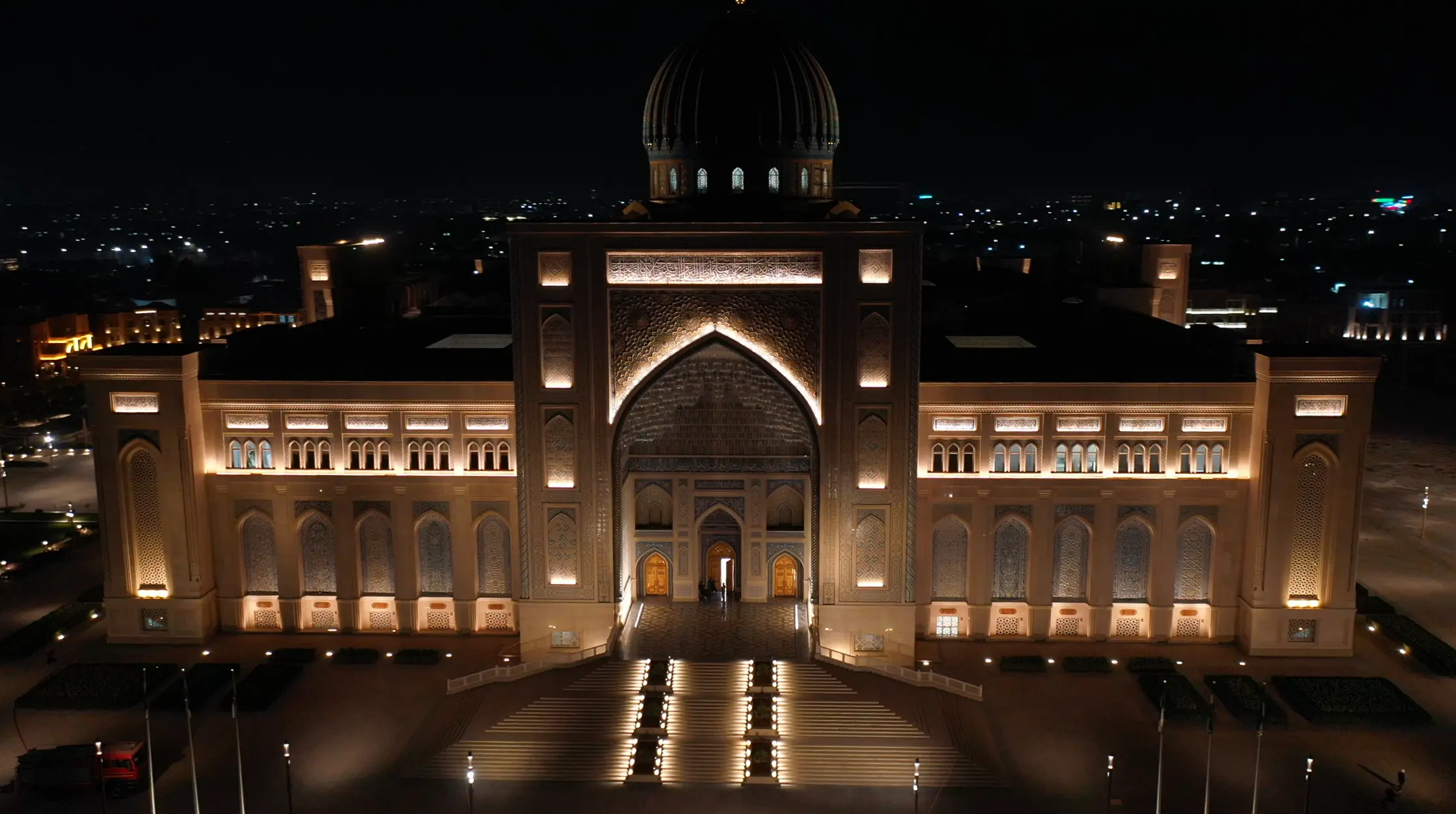
The artefacts are now being transferred to the Islamic Civilization Center, a newly opened museum and research complex in the Uzbek capital. According to the Centre, the items will be preserved, studied and displayed as part of its collection.
Firdavs Abdukhalikov, Director of the Centre, said the return of cultural objects is being carried out through coordinated efforts involving multiple actors.
“Since 2017, a number of large-scale projects have been implemented in this direction,” he said. “One of the most significant is the establishment of the Islamic Civilization Center. A dedicated group was tasked with locating and returning cultural heritage taken abroad, and this work continues.”
He added that London remains a key hub for the global art market, making cooperation with galleries and institutions there particularly important.
"The return of these priceless artifacts is not only a victory for New Uzbekistan, but also a testament to the power of international cooperation in preserving the country's historical heritage", he concluded.
Related
Uzbekistan opens educational hub for children inside the Islamic Civilization Center.
Continued efforts to recover cultural property
The case reflects ongoing efforts to identify and recover artefacts that have been removed from their countries of origin.
Experts note that such cases highlight the importance of provenance research and international cooperation in addressing illicit trafficking of cultural property.
“I think you can’t fully develop modern culture without understanding your own heritage,” said Olivia Whitting, Cultural Heritage Lead at the Art Loss Register. “Efforts to trace and return cultural objects are part of building that foundation.”
Representatives of the Islamic Civilization Center say cooperation with museums, galleries and auction houses will continue in order to trace additional items.
The Centre has also indicated plans to engage with international art markets, including participation in auctions and institutional partnerships, as part of efforts to locate and return further objects linked to Uzbekistan’s cultural heritage.
Researchers involved in the process note that the recovered artefacts are associated with different historical periods and contribute to the study of cultural developments in Central Asia over several centuries.
Most read
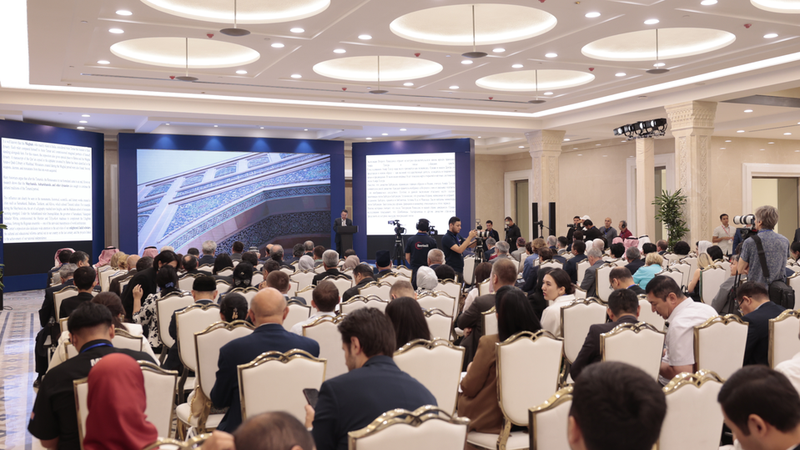
Over 100 experts from more than 20 countries of the world are in Tashkent!
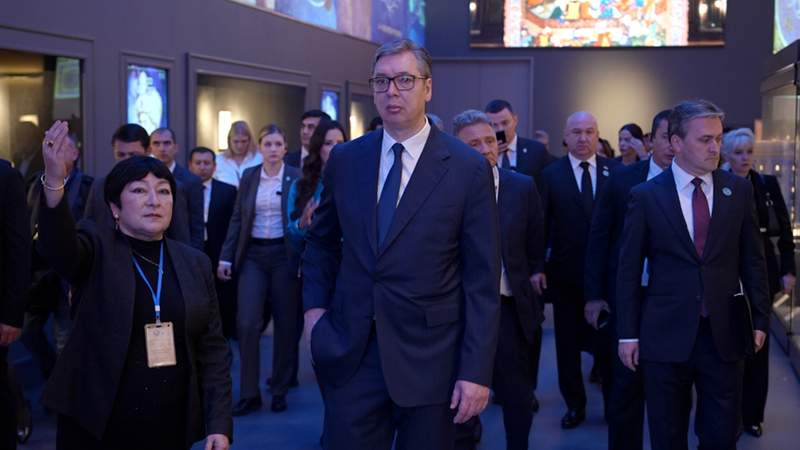
President of Serbia Aleksandar Vučić visited the Islamic Civilization Center in Uzbekistan
The Center for Islamic Civilization – a global platform leading towards enlightenment
Visit to the center
Plan your visit to the center and register.